Welcome to my blog.

Welcome
Showing posts with label Novel. Show all posts

'Beloved' by Toni Morrison

Note : This blog is for basic understanding of the literary work 'Beloved'. For more details go through the original work and find out authentic articles.

                          'Beloved'                               
                          Written by Toni Morrison                              

Toni Morrison

Full Name: Chloe Anthony Wofford Morrison.

Birth and Death: Born on February 18, 1931, in Lorain, Ohio; died on August 5, 2019, in New York City.

Education: Graduated from Howard University with a B.A. in English in 1953 and earned a Master's degree from Cornell University in 1955.

Career:

Academic: Taught English at Texas Southern University and Howard University.

Editorial: Worked as an editor at Random House, where she played a crucial role in bringing African American literature to the forefront.

Major Works:

"The Bluest Eye" (1970): Her first novel, exploring themes of race, beauty, and identity.

"Sula" (1973): A story of friendship and community.

"Song of Solomon" (1977): Won the National Book Critics Circle Award.

"Beloved" (1987): Won the Pulitzer Prize for Fiction; a powerful narrative about slavery and its aftermath.

"Jazz" (1992): Part of a trilogy that includes "Beloved" and "Paradise" (1997).

Nobel Prize: Awarded the Nobel Prize in Literature in 1993, becoming the first African American woman to receive this honor.

Themes: Her works often explore themes of African American culture, identity, history, and the complexities of race and gender.

Influence and Legacy: Morrison is celebrated for her profound impact on literature and her contributions to African American culture and history.

Other Honors: Received numerous awards, including the Presidential Medal of Freedom in 2012 and the National Humanities Medal in 2000.

Later Works: Continued writing and publishing until her death, with notable later works including "A Mercy" (2008) and "Home" (2012).

Cultural Impact: Morrison's work has been widely studied and remains influential in the fields of literature, cultural studies, and African American studies.

First Edition Cover

Title: Beloved

Publication: Published in 1987

Wikipedia: Beloved

Legacy:

Adaptations: Beloved was adapted into a film in 1998, starring Oprah Winfrey as Sethe.

Continued Relevance: The novel remains a cornerstone in literary and cultural studies, praised for its unflinching examination of the legacy of slavery and its masterful storytelling.

Plot Overview:

Beloved is a novel set after the American Civil War and follows the story of Sethe, an escaped enslaved woman living in Cincinnati, Ohio, in 1873. The narrative delves into her life at 124 Bluestone Road, where she lives with her daughter Denver and the ghost of her deceased daughter, who is referred to as Beloved. The story unravels Sethe's traumatic past, the haunting legacy of slavery, and her struggle for freedom and identity.

Literary Style:

Narrative Technique: Beloved employs a non-linear narrative, shifting between different time periods and perspectives. This fragmented structure mirrors the complexity of memory and trauma.

Language and Imagery: Morrison's prose is rich, poetic, and evocative, employing vivid imagery and symbolism to convey the emotional depth of the characters' experiences.

Magical Realism: The novel incorporates elements of magical realism, blurring the lines between reality and the supernatural.


Toni Morrison on Beloved

More recorded interviews of Toni Morrison is also avilable on YouTube.

Jstor Article: Redeeming History: Toni Morrison's "Beloved"

Jstor Article: Daughters Signifyin(g) History: The Example of Toni Morrison's Beloved

Slavery in the United States

Institution of Slavery:

Slavery was a deeply entrenched institution in the United States, particularly in the Southern states, from the early 17th century until its abolition in 1865.

Enslaved African Americans were subjected to brutal physical, emotional, and psychological abuse. Families were often separated, and individuals were treated as property rather than human beings.

Emancipation and the Civil War:

The Civil War (1861-1865) was primarily fought over issues related to slavery. The Union victory led to the Emancipation Proclamation in 1863, which declared all enslaved people in Confederate states to be free.

The 13th Amendment, ratified in 1865, formally abolished slavery in the United States.

Reconstruction Era (1865-1877)

Post-War Challenges:

After the Civil War, the Reconstruction era was a time of significant social, political, and economic upheaval. Freed African Americans faced immense challenges as they transitioned from slavery to freedom.

Despite the end of slavery, many African Americans continued to experience oppression, discrimination, and violence. The promise of freedom was often undermined by systemic racism and the rise of white supremacist groups like the Ku Klux Klan.

Struggles for Rights and Equality:

During Reconstruction, efforts were made to integrate formerly enslaved people into American society. The 14th and 15th Amendments aimed to provide citizenship and voting rights to African Americans.

However, the withdrawal of federal troops from the South in 1877 marked the end of Reconstruction and led to the resurgence of white supremacist policies and Jim Crow laws, which enforced racial segregation and disenfranchisement.

Margaret Garner's Story

Inspiration for Beloved:

The character of Sethe in Beloved is inspired by the real-life story of Margaret Garner, an enslaved woman who escaped from Kentucky to Ohio in 1856.

Garner, when faced with capture by slave catchers, chose to kill her own daughter rather than see her returned to slavery. This harrowing decision reflects the extreme measures enslaved individuals might consider to protect their loved ones from the horrors of slavery.

Cultural and Social Reflections

African American Oral Traditions:

Morrison’s writing is influenced by African American oral traditions, including storytelling, folklore, and communal memory. These elements are woven into the narrative structure of Beloved, reflecting the cultural heritage and resilience of African Americans.

Critique of Historical Erasure:

Morrison critiques the erasure and marginalization of African American experiences in mainstream historical narratives. Beloved serves as a powerful reclamation of these stories, giving voice to those who endured the unimaginable.

Themes

1. The Trauma of Slavery 

Personal Trauma: The novel vividly portrays the personal trauma experienced by former slaves. Sethe's memories of the physical and emotional abuse she endured haunt her, reflecting the deep scars left by slavery.

Intergenerational Trauma: The effects of slavery are shown to extend beyond those who directly experienced it. Sethe's children, particularly Denver and the ghost Beloved, also suffer from the legacy of their mother's trauma.

Legacy of Slavery:

Beloved delves into the lasting psychological scars and trauma inflicted by slavery. The characters in the novel grapple with their haunting pasts, which continue to shape their identities and lives long after emancipation.

The presence of the ghost, Beloved, symbolizes the inescapable grip of history and memory on the characters, emphasizing how the past continues to affect the present.

Healing and Reconciliation:

The novel also explores the struggle for healing and reconciliation in the aftermath of such profound trauma. Sethe’s journey toward confronting and coming to terms with her past is emblematic of the broader need for acknowledgment and healing within the African American community and American society at large.

2. Memory and the Past 

Haunting Memories: The past is a persistent presence in the lives of the characters. Sethe's memories of her time at Sweet Home, the plantation where she was enslaved, are vividly depicted and continue to influence her present life.

Ghosts as Metaphors: The ghost of Sethe's deceased daughter, Beloved, represents the inescapable and haunting nature of these memories. The novel suggests that the past must be confronted and acknowledged in order to move forward.

3. Motherhood and Family 

Sacrificial Love: Sethe’s extreme actions to protect her children, particularly her decision to kill Beloved to save her from slavery, highlight the lengths to which a mother’s love can go.

Family Bonds: The novel explores the strength and fragility of family bonds. Denver's relationship with her mother and the impact of their collective past on their bond is a central focus.

4. Identity and Self-Definition 

Struggle for Identity: Characters in the novel struggle to reclaim and define their identities in the aftermath of slavery. Sethe's journey is one of self-discovery and self-assertion, moving beyond the identity imposed on her by her enslavers.

Community Influence: The role of the community in shaping and supporting individual identities is significant. The Cincinnati community provides a backdrop for Sethe’s struggles and eventual reconciliation with her past.

5. Freedom and Confinement 

Physical and Psychological Freedom: The novel juxtaposes physical escape from slavery with the ongoing psychological bondage experienced by former slaves. True freedom is depicted as requiring both physical liberation and mental healing.

Confining Legacy: Despite their physical freedom, characters remain confined by their memories and the societal remnants of slavery.

6. The Power of Storytelling 

Oral Traditions: Morrison incorporates African American oral traditions and storytelling techniques. This serves as a means of preserving history, sharing communal experiences, and asserting cultural identity.

Narrative Structure: The novel’s non-linear narrative reflects the fragmented and multifaceted nature of memory and history, emphasizing the importance of multiple perspectives.

7. Guilt and Redemption

Sethe’s Guilt: Sethe's overwhelming guilt for killing her daughter and the constant reminder of Beloved's presence illustrate the profound impact of guilt on an individual’s psyche.

Path to Redemption: The journey toward redemption involves facing the past, seeking forgiveness, and finding ways to heal. Sethe’s reconciliation with her past and her daughter Denver’s growth signify steps toward redemption.

8. Community and Isolation 

Importance of Community: The support and judgment of the community play crucial roles in the lives of the characters. The Cincinnati community’s involvement is vital for Sethe's eventual healing.

Isolation’s Impact: Sethe’s isolation, both self-imposed and socially enforced, exacerbates her trauma. The novel underscores the need for community connection in overcoming personal and collective trauma.

9. Racial and Social Injustice

Legacy of Racism: The enduring effects of systemic racism and social injustice are evident in the characters' lives, reflecting broader societal issues.

Critique of Historical Erasure: Morrison critiques the marginalization of African American history and experiences, emphasizing the need to acknowledge and address this history to move forward as a society.

Characters

1. Sethe 

Description: Sethe is the protagonist of the novel. A formerly enslaved woman, she is haunted by the trauma of her past and the ghost of her deceased daughter, Beloved.

Character Traits: Strong, determined, fiercely protective of her children, and deeply haunted by her past actions and experiences.

2. Beloved 

Description: Beloved is the manifestation of Sethe’s deceased daughter. She returns as a ghostly, physical presence in the household, embodying the painful memories and unresolved trauma of Sethe’s past.

Character Traits: Mysterious, needy, demanding, and represents the haunting legacy of slavery.

3. Denver 

Description: Denver is Sethe’s youngest living daughter. Born during Sethe’s escape from slavery, she struggles with isolation and the shadow of her family’s past.

Character Traits: Curious, lonely, protective of her mother, and undergoes significant personal growth throughout the novel.

4. Paul D 

Description: Paul D is one of the men enslaved at Sweet Home with Sethe. He comes to live with Sethe at 124 Bluestone Road and forms a complicated relationship with her.

Character Traits: Gentle, haunted by his own past, searching for stability and a sense of belonging, and serves as a catalyst for Sethe’s journey towards healing.

5. Baby Suggs 

Description: Baby Suggs is Sethe’s mother-in-law and a spiritual leader in the community. She provides a haven for formerly enslaved people and offers emotional and spiritual support.

Character Traits: Wise, nurturing, compassionate, and represents hope and community resilience.

6. Halle 

Description: Halle is Sethe’s husband and the father of her children. He works to buy his mother’s freedom but is deeply traumatized by the experiences of slavery.

Character Traits: Hardworking, caring, but ultimately broken by the horrors he witnesses.

7. Schoolteacher 

Description: Schoolteacher is the cruel overseer at Sweet Home after Mr. Garner’s death. His dehumanizing treatment of the enslaved people is a source of immense trauma.

Character Traits: Brutal, dehumanizing, and represents the oppressive system of slavery.

8. Stamp Paid 

Description: Stamp Paid is a former slave who helps others escape through the Underground Railroad. He plays a key role in the community and assists Sethe in her times of need.

Character Traits: Kind, selfless, and represents the spirit of solidarity and resistance among the enslaved.

9. Ella 

Description: Ella is a community member who helps with the Underground Railroad. She has her own traumatic past but is strong and resilient.

Character Traits: Tough, pragmatic, and supportive of Sethe and Denver.

10. Mr. and Mrs. Bodwin 

Description: The Bodwins are white abolitionists who help Baby Suggs and the community. They symbolize the complex relationships between African Americans and their white allies.

Character Traits: Well-meaning, supportive, but also embody the complexities and contradictions of white abolitionist support.

11. Amy Denver 

Description: Amy Denver is a young white girl who helps Sethe during her escape. Denver is named after her.

Character Traits: Kind, compassionate, and represents unexpected kindness and humanity in a harsh world.

12. Howard and Buglar 

Description: Howard and Buglar are Sethe’s sons who run away from home because of the haunting presence of Beloved’s ghost.

Character Traits: Fearful, traumatized, and their departure signifies the breaking apart of the family unit due to unresolved trauma.

            These characters collectively embody the struggles, resilience, and complexities of African American life during and after slavery, each contributing to the rich, multifaceted narrative of Beloved.


Learn with intresting PPT by Prezi.


The Home and the World A novel by Rabindranath Tagore

The Home and the World

A novel by Rabindranath Tagore

About Author:

  • Born: 1861 in Calcutta, India
  • Nobel Prize: 1913 for "Gitanjali" (Song Offerings)
  • Talents: Poet, novelist, philosopher, painter, musician
  • National Anthems: Composed India's "Jana Gana Mana" and Bangladesh's "Amar Shonar Bangla"
  • Educationalist: Founded Visva-Bharati University
  • Advocacy: Supported Indian independence and social reform
  • Legacy: His work continues to influence art and culture
  • Passing: 1941, but his impact endures

List of some of Rabindranath Tagore's notable works:
  • Gitanjali (Song Offerings)
  • The Home and the World (Ghare-Baire)
  • The Post Office (Dak Ghar)
  • Chokher Bali
  • Kabuliwala
  • The Gardener (Tin Kanya)
  • Sadhana: The Realization of Life
  • The Wreck (Nauka-Dubi)
  • Muktadhara (The Waterfall)
  • The Crescent Moon (Chandali)
  • The King of the Dark Chamber (Raja)
  • Farewell Song (Bidrohi)

Title:

"The Home and the World" ("Ghare-Baire" in Bengali) is a novel by Rabindranath Tagore, published in 1916. Set against the backdrop of the Indian independence movement, the story revolves around the lives of three central characters: Nikhil, Bimala, and Sandip.

The title itself symbolizes the contrasting worlds and ideologies these characters represent. Nikhil embodies rationalism and enlightenment, representing the "home," which stands for a harmonious domestic life and adherence to traditional values. On the other hand, Sandip symbolizes the "world," emphasizing nationalism, radicalism, and liberation. 

The novel explores the complex interplay of these contrasting forces, ultimately revealing the conflicts between personal desires and patriotic duties during a time of political upheaval. Tagore's work is a thought-provoking exploration of love, identity, and the tumultuous period in India's history.

Characters:

Nikhil (Nikhil Banerjee):

Personality: Nikhil is the protagonist of the story and represents reason, enlightenment, and modernity. He is a thoughtful and principled man with a deep sense of morality.
Role: As the owner of the estate, he is seen as a benevolent and enlightened ruler, attempting to bring progress and education to his people.
Conflict: Nikhil's character becomes the moral center of the novel as he tries to navigate the tumultuous world of political unrest and personal relationships, particularly in his marriage to Bimala.
Significance: Nikhil embodies the "home" in the novel's title, symbolizing stability, reason, and a harmonious domestic life.

Bimala (Bimala Banerjee):

Personality: Bimala is the central female character, portrayed as a traditional Indian woman at the start but transforms under the influence of Sandip.
Role: She represents the conflict between her duties as a wife and her burgeoning independence and nationalism.
Conflict: Bimala's character grapples with the changing world around her, her personal desires, and her loyalty to her husband and her country.
Significance: Bimala's character represents the "world" in the novel's title, symbolizing the pull of nationalism and personal desires.

Sandip (Sandip Mukherjee):

Personality: Sandip is a charismatic and radical nationalist leader who advocates for Indian independence. He is passionate, manipulative, and persuasive.
Role: Sandip is a catalyst for the conflicts in the story. He influences Bimala and challenges Nikhil's principles.
Conflict: His character embodies the revolutionary spirit and represents the "world" in the title, driving the story's central conflicts.
Significance: Sandip's character highlights the complexities of personal desires and political ideologies during a time of social change and political turmoil.
These character sketches capture the central figures in "The Home and the World" and their roles in the novel's exploration of love, politics, and personal identity during a period of significant historical change in India.

Themes:

Nationalism: 
The novel explores the tension between individual desires and nationalistic fervor during the Indian independence movement.

Personal Identity: 
It delves into the transformation and conflicts of the characters' personal identities in the face of changing societal and political landscapes.

Conflict of Ideals: 
The clash of traditional values and modern ideals, personified by the characters of Nikhil and Sandip, is a central theme.

Gender and Freedom: 
The novel examines the changing roles and freedoms of women, particularly through the character of Bimala.

Love and Loyalty: 
It delves into the complexities of love and loyalty within the context of a changing political and social environment.

Modern Woman:

The character of Bimala undergoes a transformation from a traditional woman into a more modern and independent figure. 

While she begins as a representative of traditional gender roles, as the story progresses, she is influenced by Sandip's radical ideas and begins to question her role as a wife and her place in society. Her evolving character reflects the changing status of women in India during the early 20th century and the struggle for personal independence and agency within the context of a changing political landscape. Bimala's journey from tradition to a more modern, independent woman is a central aspect of the novel.


Worth watching movie:

"Ghare-Baire" (1984): 
Directed by acclaimed Indian filmmaker Satyajit Ray, this Bengali film adaptation is highly regarded. It closely follows the plot and themes of Tagore's novel, and it received critical acclaim for its faithfulness to the source material and the performances of the cast.


Pooja Bhuva's blog: for finding some article

characteristics:

Exploration of Nationalism: 
The novel delves deeply into the concept of nationalism and the complexities surrounding it during the Indian independence movement. It offers a nuanced examination of patriotism, revolution, and the clash of ideas in the context of India's struggle for independence.

Character Development: 
The characters in the novel undergo significant development, especially Bimala, who transitions from a traditional woman to a more independent and politically engaged individual. This dynamic character evolution is a central feature of the story.

Conflict of Ideals: 
The novel presents a conflict between traditional values and modern ideals. This struggle is embodied in the characters of Nikhil, who represents rationalism and reason, and Sandip, who embodies radicalism and fervent nationalism. The clash of these ideals adds depth to the narrative.

Narrative Perspective: 
Tagore uses multiple narrative perspectives, including the first-person accounts of the three main characters—Nikhil, Bimala, and Sandip. This narrative technique provides insight into their personal thoughts and perspectives, enhancing the reader's understanding of their internal conflicts.

Themes of Gender and Freedom: 
The novel explores the changing roles and freedoms of women in early 20th-century India. Bimala's character is central to this exploration, as her journey symbolizes the evolving status of women during this period.

Symbolism and Allegory: 
Tagore employs symbolism and allegory throughout the novel, using characters and settings to represent larger ideas and themes. For example, the title itself, "The Home and the World," serves as a symbolic representation of the central conflict in the story.

Cultural and Historical Context: 
The novel is deeply rooted in the cultural and historical context of early 20th-century India, providing a window into the social, political, and cultural dynamics of the time.

Influence of Western Literature: 
Tagore's exposure to Western literature and philosophy is evident in the novel, which incorporates elements of Western literary traditions while maintaining its distinct Indian identity.

Conclusion:

Tagore skillfully captures the essence of a nation in transition, presenting a nuanced and enduring exploration of the intricate relationships between individual desires, patriotism, and societal change. It remains a significant contribution to world literature and an important reflection of India's struggle for independence.

The Great Gatsby by F. Scott Fitzgerald

"The Great Gatsby"


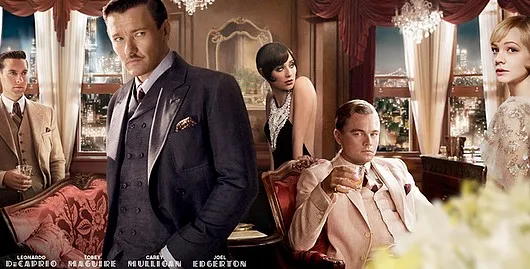
The 1925 novel is considered an American classic and is one of the most widely-read books in modern America. There have been several film versions of the novel, most recently a 2013 version that was directed by Baz Luhrmann.

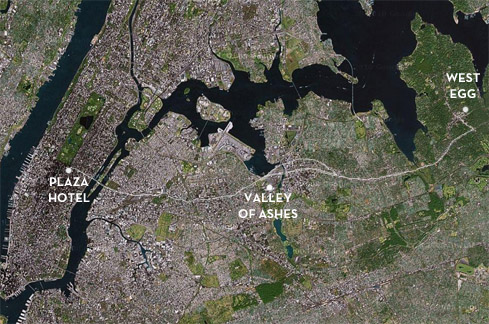
The Great Gatsby is narrated By Nick Carraway, telling the story of the famous and mysterious millionaire Jay Gatsby as he tries to win back the heart of his old love, the now-married Daisy Buchanan, and all the extravagance and drama that happened along with it. However, it’s important to note that the novel is much more than a simple love story. Its main focus is exploring the decadence of the Roaring Twenties, the distinction between “old money” and “new money”, and the moral hollowness that wealth can bring. There is also a focus on the moral excesses of New York City specifically, although the characters reside in Long Island in the fictional towns of West Egg and East Egg.


  • How did the film capture the Jazz Age, the Roaring Twenties, the Flappers & the Prohibition Act of America in the 1920s?


The Great Gatsby (2013 Film) Directed by Baz Luhrmann.


Jazz in the 1920s helped define a generation torn between the Victorian society of nineteenth century nineteenth-century America and the culture of modernity that was quickly defining the early twentieth century. For many Americans, the growth of cities, the rise of consumer culture, the upsurge of mass entertainment, and the so-called "revolution in morals and manners' '. represented liberation from the restrictions of the country's Victorian past.


The character of millionaire Jay Gatsby represents the extremes of 1920s wealth and decadence.Prohibition creates a 'new money class. The Great Gatsby, by F. Scott Fitzgerald, was published in 1925, at the height of the prohibition era. This was also the time period during which the story is set. The “roaring” 1920s saw the prohibition and reinstatement of alcohol, the advent of voting rights for women and Native Americans, and the birth of the Harlem Renaissance.In The Great Gatsby, Prohibition finances Gatsby's rise to a new social status,


The era saw the rise of ready-made clothing in standard sizes, the automobile, commercial radio, electric appliances, and the telephone, as well as the spread of music through home phonograph records.


The setting:

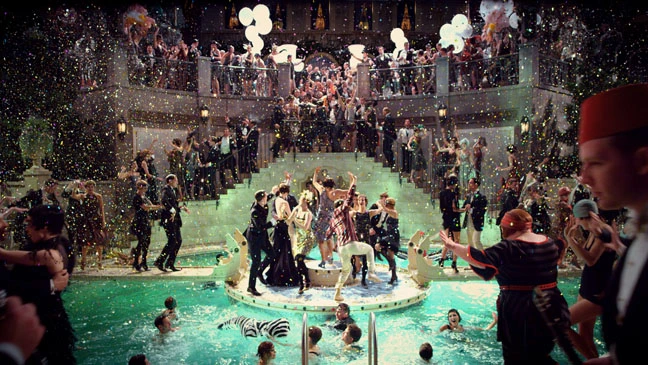
The film is set in the 1920s, and the production design captures the style and ambiance of the era, with lavish parties, opulent mansions, and Art Deco designs.


The costumes:

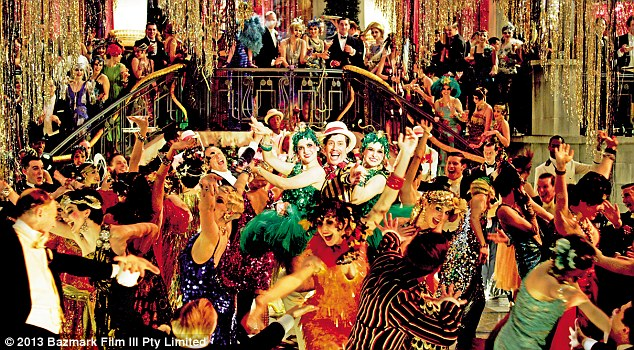
The costumes worn by the characters in the film, particularly the female characters, are indicative of the Flapper style, characterised by short hemlines, dropped waists, and loose, flowing fabrics.


The music:

The film's soundtrack features jazz music, which was popular during the 1920s and played a significant role in defining the Jazz Age.


The parties:

The film features several lavish parties, which were a hallmark of the Roaring Twenties. These parties were often held in opulent mansions and attended by wealthy socialites.


The Prohibition Act:

The Prohibition Act, which banned the sale and consumption of alcohol, was in effect during the 1920s. This is reflected in the film through scenes where characters are seen drinking illegal alcohol, and the character of Jay Gatsby, who made his fortune through illegal bootlegging.


  • Watch PPT on the difference between the film and the novel and write briefly abbrieflyout it.

Narration :


The book is told from the perspective of Nick Carraway, while the movie focuses on Gatsby himself. As a result, the book provides a more nuanced portrait of Gatsby, delving into his past and motivations for throwing lavish parties to win over Daisy Buchanan. In the movie, Nick Carraway is telling about his experiences with Gatsby to a therapist, whereas in the novel he is simply talking to the reader.


Nick and Jordan :


Nick's romance with Jordan Baker is cut out of the movie, as a result,her character, and arguably his character, is less developed. In the novel, they become a couple and break up near the end of Summer.


Minor Characters :


This movie also left out two minor characters, Daisy's daughter and Gatsby's father, that should not have been taken out of the movie. For the most part, this movie kept most of the novel's content and had a cast that brought the novel to life.


Death :


In both movie and novel, Gatsby is waiting for Daisy. In the film Nick Carraway calls him, Gatsby thinks it's Daisy's call and he comes out from the pool and he is shot by the husband of Tom's mistress. He dies believing that Daisy was coming with him(Gatsby), but none of that happens in the novel.


Meet with Wolfsheim :


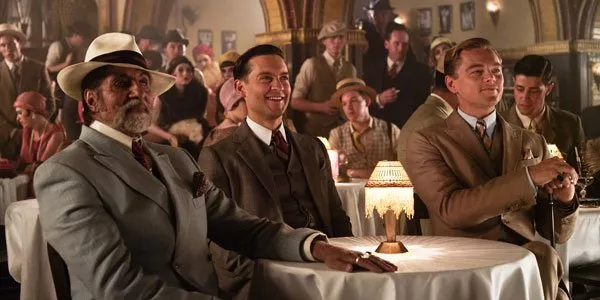
When Nick luncheons with Gatsby and Mr. Wolfsheim, Luhrmann takes us through a secret door in a barbershop and into a speakeasy full of dancing women and at least slightly corrupt men. To prove a point about corruption, Luhrmann even places the police commissioner on the premise.


Gatsby takes Nick to lunch at a "Well fanned 42nd Street Celler". Where he introduces his new friend.


Gatsby's Behavior :


When Gatsby is verbally attacked by Tom in New York, much of the dialogue is the same. However, when Gatsby begins to lose control, beginsand to realise that Daisy is present in the room but may be out of his grasp, his "face that could kill a man" morphs into a childish freak out where Gatsby even screams, 'Shut Up'. The childish antic is a nice callback to the time Carraway chides him for behaving childishly before he meets Daisy for tea.


  • How did the film help in understanding the symbolic significance of 'The Valley of Ashes', 'The Eyes of Dr. T J Eckleberg', and 'The Green Light'?

The green light represents the hopes and dreams of Gatsby, Dr T..J Eckleburg's eyes represent the eyes of God, the Valley of Ashes shows the effects of capitalism and the symbol of time is also repeated throughout the novel.


The Valley of Ashes:


The Valley of Ashes is an unpleasant place that reveals the dark side of American society in the 1920s. Ultimately, it represents the breakdown of morality caused by extreme wealth inequality. In the film, the Valley of Ashes is depicted as a desolate and bleak landscape, covered in industrial waste and soot. This symbolises the moral decay and spiritual emptiness of the wealthy elite who live in West Egg and East Egg. The film also emphasises the contrast between the luxurious lifestyle of the rich and the poverty and hopelessness of those who live in the Valley of Ashes.


The Eyes of Dr. T. J. Eckleburg:


The eyes of Doctor T. J. Eckleburg are a pair of fading, bespectacled eyes painted on an old advertising billboard over the valley of ashes. They may represent God staring down upon and judging American society as a moral wasteland. They feature on a billboard that overlooks the valley of ashes, a desolate area through which the characters in the novel must travel to reach New York. The film uses close-up shots of the billboard featuring the eyes of Dr. T. J. Eckleburg, a faded and forgotten advertisement, to convey a sense of omnipresence and watchfulness. This symbolises the loss of spiritual values and the moral corruption of the characters in the story. The eyes of Dr. T. J. Eckleburg also represents the unfulfilled promise of the American Dream.


The Green Light:


The green light in The Great Gatsby serves as a representation of all that Jay Gatsby wants to achieve. It is a guiding light. The film uses a green light at the end of Daisy's dock to symbolise Gatsby's longing for his lost love and his pursuit of the American Dream. The green light represents hope and aspiration, but it is always just out of reach, emphasising the unattainable nature of the American Dream. The film also uses the green light as a visual motif to tie together different parts of the story, highlighting its importance.


The film's use of visual imagery, sound, and dialogue helps to convey the symbolic significance of "The Valley of Ashes," "The Eyes of Dr. T. J. Eckleburg," and "The Green Light" in Fitzgerald's novel.


  • How did the film capture the theme of racism and sexism?

Racism:

  • Amitabh Bachchan is a Jewish character. Luhrmann faithfully keeps key passages from the novel about race.
  • Wealthy men and women are driven into Manhattan by a White Chauffeur.
  • Tom's later diatribe about intermarriage between black and white.
  • Tom's trumpeting of a racist book named 'Rise of the Colored Empires'.

Objectification of Women:


The film depicts female characters such as Daisy, Jordan, and Myrtle as objects of desire, rather than complex individuals with their own thoughts and emotions. They are often shown as objects to be won, possessed, or discarded by the male characters. This objectification is highlighted through the use of camera angles, lighting, and music.


Patriarchal Society:


The film also portrays the patriarchal society of the 1920s, where men hold all the power and women are expected to conform to societal norms. The female characters are restricted by their gender roles and face limited opportunities and choices in their lives. This is shown through their relationships with the male characters and their lack of agency in the story.


Double Standards:


The film also highlights the double standards that existed in the 1920s regarding gender roles and sexual behaviour. Male characters, such as Tom and Gatsby, are portrayed as sexually promiscuous and praised for their behaviour, while female characters who engage in similar behaviour are judged and shamed.


  • Watch the video on Nick Carraway and discuss him as a narrator.


Fitzgerald's technique of using an implied author which is to say that The Great Gatsby should really be read as Nick’s memory.


Nick portrays himself and others to his readers. There is no doubt in the novel that he wants to present himself in the most positive and sympathetic way possible. This is true from the opening sentence of the book.


Nick writes, “In my younger and more vulnerable years my father gave me some advice that I have been turning over in my mind ever since.”


This line is Chock-full of carefully chosen language intended to Evoke, pathos and sentimentality.


He provides a first-person account of the events and characters in them but also injects his own opinions and interpretations. His narrative voice is thoughtful and introspective, and he often reflects on the meaning and significance of what he observes. One of Nick's key strengths as a narrator is his ability to empathise with others. He is a good listener and observer, and he is often able to see things from multiple perspectives. This allows him to offer nuanced and complex portraits of the novel's other characters, including Jay Gatsby, Daisy Buchanan, and Tom Buchanan. At the same time, Nick is not a perfect narrator. He is prone to romanticising the past and being overly optimistic about the future. He is also sometimes unreliable, such as when he fails to tell the full truth about his own past or when he withholds important information about Gatsby's past.

  • Watch the video on the psychoanalytical study of Jay Gatsby and write about his character.

Gatsby's feelings of guilt and shame are a key part of his character, contributing to his sense of inner turmoil and tragic destiny. Gatsby's guilt and shame stem from his past and his sense of inadequacy. Gatsby is portrayed as a man who has reinvented himself, creating a new identity for himself through wealth and social status. However, he is also haunted by his past and his sense of social inferiority, stemming from his working-class origins.


Gatsby's relationship with Daisy Buchanan, his romantic interest in the novel. It suggests that Gatsby's infatuation with Daisy is actually a projection of his own repressed desires and emotions. Gatsby's inability to fully express his feelings and emotions leads to a sense of anxiety and frustration, which is seen as a key element of his character. Gatsby's behaviour can be explained by his childhood experiences, his relationship with his father, and his repressed desires and emotions. Gatsby's obsession with wealth and success is seen as a manifestation of his desire for acceptance and approval.


The video provides an interesting and insightful analysis of the character of Jay Gatsby, exploring the psychological factors that contribute to his motivations and actions in the novel.


(Words 2068, Images :15, Videos :03)


"For Whom the Bell Tolls"

This blog contains introduction of author, meaning of title, Critically analyze the end of the novel and embedded video of full movie "For Whom the Bell Tolls".

About author : 

Ernest Hemingway was an American novelist, short-story writer, and journalist. He was born on July 21, 1899, in Oak Park, Illinois, and died on July 2, 1961, in Ketchum, Idaho. Hemingway is considered one of the most important and influential writers of the 20th century. He is known for his unique writing style, which is characterized by simple, straightforward prose and an emphasis on dialogue.

Hemingway began his writing career as a journalist and eventually transitioned to writing fiction. He published his first novel, "The Sun Also Rises," in 1926, which was an immediate success and established him as a major literary figure. He followed this with several other novels, including "A Farewell to Arms" (1929), "For Whom the Bell Tolls" (1940), and "The Old Man and the Sea" (1952), which cemented his reputation as a master of American literature.

Hemingway's work is known for its themes of love, war, and the human condition, and for its exploration of the human experience in times of conflict. His writing is considered to be among the most powerful and evocative in American literature, and he has had a profound influence on the development of modern fiction.

Meaning of Title : 

In the context of the novel "For Whom the Bell Tolls," the word "toll" is used in reference to the sound of a bell, which symbolizes death and the human cost of war. The tolling of the bell at the end of the novel represents the death of the protagonist Robert Jordan and the countless other soldiers who have died in the war, and it serves as a powerful reminder of the tragic consequences of war.

"For Whom the Bell Tolls" is considered a classic of literature for several reasons:

Historical Significance :
The novel is set during the Spanish Civil War, a time of great political and social upheaval in Spain. Hemingway's portrayal of the war and its impact on the individuals caught up in it offers a unique perspective on this historical event.

Writing Style :
Hemingway is known for his sparse, minimalist writing style, and "For Whom the Bell Tolls" is considered one of his most accomplished works in this regard. His use of dialogue and description is particularly effective in creating a sense of realism and immediacy.

Themes :
The novel explores themes such as love, sacrifice, and the human cost of war, which are universal and timeless.

Literary Merit :
The novel has been praised by critics for its powerful anti-war message and its emotional intensity. It is considered a masterful work of fiction, and a powerful exploration of the human condition.

Impact : 
The novel has had a significant impact on literature and culture. It has been widely read and studied, and has been adapted into a film and a stage play. It is considered one of the greatest novels of the 20th century.

"For Whom the Bell Tolls" is a critically acclaimed work because it offers a powerful exploration of the human experience in times of war. The novel examines the personal and emotional toll that war takes on individuals, as well as the moral ambiguities and complexities of political causes.

One of the main points of the novel is the exploration of the theme of sacrifice. Robert Jordan, the novel's protagonist, is a volunteer fighting in the Spanish Civil War, and he must make the difficult decision to sacrifice his own life in order to complete his mission and help the Republican cause. Through his character and actions, the novel illustrates the personal sacrifices that individuals make during war and the moral dilemmas they face.

The novel also deals with the theme of love, and how it can survive and thrive in the midst of war. The relationship between Robert and Maria is a powerful example of this, as they find love and happiness despite the chaos and destruction around them.

The novel's style, themes and characters are all crafted in a way that they create a sense of realism and immediacy, which makes the story more impactful.

"For Whom the Bell Tolls" is a critically acclaimed work because of its powerful exploration of the human experience in times of war and its ability to convey the moral dilemmas and personal sacrifices of individuals caught up in a war.

 End of the Novel : 

The ending of Ernest Hemingway's novel For Whom the Bell Tolls is widely considered to be both powerful and tragic. The novel follows the story of Robert Jordan, an American volunteer fighting in the Spanish Civil War, and his relationship with Maria, a young Spanish woman.

As the novel comes to a close, Robert and Maria are both aware that their time together is coming to an end. Robert is tasked with blowing up a bridge as part of a larger Republican offensive, and he knows that he will most likely not survive the mission. In their final moments together, Robert and Maria express their love for each other and their regret that they will not be able to spend their lives together.

As Robert makes his way to the bridge, he reflects on the sacrifices he has made for the cause, and the futility of war. He ultimately chooses to sacrifice himself for the mission, and the bridge is successfully destroyed.

The meaning of the ending is that war is a brutal, destructive force that takes a heavy toll on individuals and society. Robert's death is a tragic reminder of the human cost of war, and the sacrifices that individuals make for a cause. The tolling of the bell symbolizes the finality of death and the loss of life that war brings. The ending also implies that war is futile, as it destroys not only lives, but also relationships, love, and the future of individuals.

The ending also highlights the theme of sacrifice, as Robert chooses to sacrifice his own life for the mission and the cause. The novel suggests that sacrifice is a fundamental aspect of war, and it can be a noble and meaningful act, but it is also a tragedy.

In a broader sense, the novel's ending is a powerful anti-war statement, emphasizing the terrible human cost of war and the senselessness of such violence.

The human cost of war and personal sacrifices: This theme is explored through the character of Robert Jordan, the novel's protagonist, who is a volunteer fighting in the Spanish Civil War. Throughout the novel, Robert must make difficult decisions and confront the moral ambiguities of war, ultimately sacrificing his own life to complete his mission and help the Republican cause.

Love and relationships :
The novel also explores the theme of love and relationships, particularly the relationship between Robert and Maria. This serves as a contrast to the brutality of war, showing how love can survive and thrive in the midst of war.

Personal identity and political causes :
The novel explores the theme of personal identity, particularly as it relates to political causes. Robert is initially drawn to the Republican cause because he believes in its ideals, but as he becomes more deeply involved, he begins to question the morality of the war and the motivations of those fighting it.

Futility of war :
The novel also exposes the futility of war, it is a powerful anti-war statement, emphasizing the terrible human cost of war and the senselessness of such violence.

"For Whom the Bell Tolls" is a novel that explores the complexities and moral ambiguities of war and the personal sacrifices that individuals make for a cause. It shows the human cost of war, the impact of war on relationships and love, and the search for personal identity in the face of political ideologies. The novel also implies that war is futile and it destroys not only lives, but also relationships, love, and the future of individuals.
Full Movie "For Whom the Bell Tolls"


(Words 1336, Images 03, Videos 02)

Thank you for visiting, I hope you got fruitful information.

Read More :

Teachers' Day Celebration- 2026